Introduction
What ACA Marketplace plans cover for Wegovy, Zepbound and Ozempic, plus prior authorization, self-pay prices, safety and plan-checking steps.
The numbers to know
- 1% - Wegovy coverage
- 0% - Zepbound coverage
- 82% - Ozempic coverage
- More than 98% - Plans with a restriction
- 100% - Prior authorization
- 27% - Insured users paying full cost
- 56% - Users finding drugs hard to afford
- 14.9% - Semaglutide trial average
Why the same ingredient can have different coverage
GLP-1 means glucagon-like peptide-1. Medicines in this group affect appetite, digestion, blood sugar, and other body systems. Tirzepatide acts at both the GLP-1 receptor and the glucose-dependent insulinotropic polypeptide, or GIP, receptor. Brand names and FDA-approved uses matter to an insurer. Wegovy and Ozempic both use semaglutide, but Ozempic is approved for type 2 diabetes and Wegovy has chronic weight-management and certain cardiovascular-risk-reduction uses. Zepbound contains tirzepatide for chronic weight management and obstructive sleep apnea in specified adults, while Mounjaro contains tirzepatide for type 2 diabetes. That distinction explains the 2024 pattern. KFF found 82% of reviewed formularies covered Ozempic, compared with 1% for Wegovy and none for Zepbound. The Ozempic number does not mean a plan will pay when it is prescribed solely for weight loss. A plan may require a type 2 diabetes diagnosis, laboratory results, use of other medicines, or other records. A1c, also called HbA1c, is a blood test estimating average blood glucose over roughly the previous two to three months. Plans may use it as part of diabetes coverage rules. Only the insurer's current criteria can show whether it applies to a particular claim.
| Measure | Result | What it means |
|---|---|---|
| Wegovy coverage in 2024 federal Marketplace formularies | 1% | Weight-management coverage was rare in the reviewed plans. |
| Zepbound coverage in the same review | 0% | This is a historical benchmark, not a promise about current plans. |
| Ozempic coverage | 82% | Diabetes access was much more common, subject to the plan's approved-use rules. |
| Plans using utilization management | More than 98% | A listing usually came with prior authorization, a quantity limit, or another condition. |
| Insured GLP-1 users paying full cost | 27% | Insurance enrollment alone does not predict the amount paid at the pharmacy. |
| GLP-1 users reporting affordability difficulty | 56% | Cost can affect whether a person can continue treatment.】【”】【 |
Source: Source: Peterson-KFF Health System Tracker review of 2024 federally facilitated Marketplace formularies and KFF Health Tracking Poll reported November 14, 2025. The poll is national and is not limited to Marketplace enrollees.
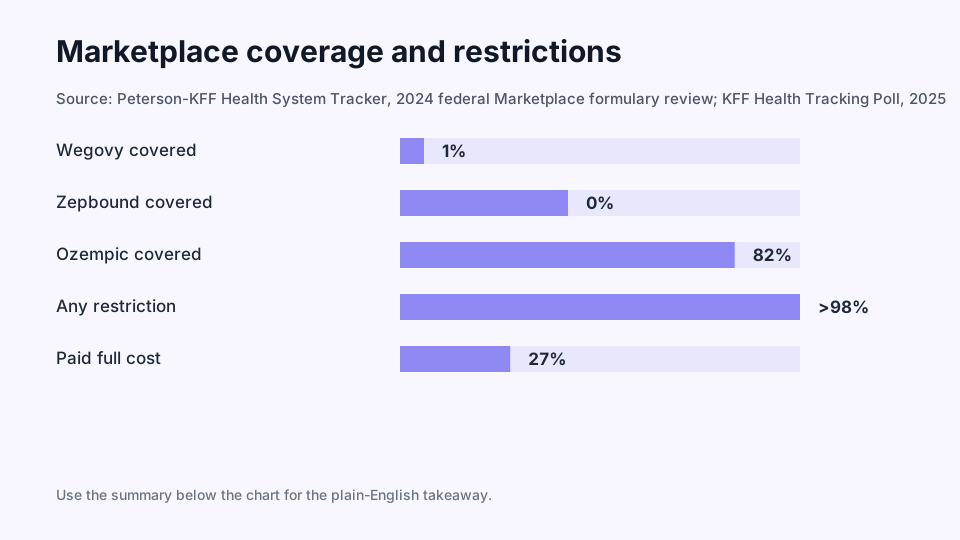
The first four bars are 2024 federal Marketplace-plan findings, while full-cost payment is from a 2025 national poll and should not be read as the same population.
The restrictions behind a covered listing
A formulary is the plan's list of covered drugs. Absence from that list, or an exclusion for weight-loss drugs, may mean routine coverage is unavailable. A formulary exception can still be requested, but it is a separate process and not a promise of payment. Prior authorization means the insurer asks for clinical documentation before it decides whether to pay. KFF found every reviewed plan that covered obesity-only GLP-1 drugs used prior authorization. The criteria can address the FDA-labeled condition, body-mass index, related conditions, treatment history, or response over time. A quantity limit is the maximum amount a plan will cover in a set period. Step therapy requires trying a plan-selected alternative first. In KFF's review, step therapy was less common than prior authorization or quantity limits for the GLP-1 drugs studied, but any one of these rules can delay a refill. Ask an insurer a complete question: Is this exact medicine covered for my diagnosis, what prior-authorization rules apply, which pharmacy must I use, and what would I owe before and after the deductible? A general answer that a drug is covered leaves out the details that determine access.
Cash prices can solve one problem and create another
Manufacturer self-pay programs are not insurance benefits. LillyDirect listed Zepbound self-pay pricing from $299 to $449 per month depending on dose and program terms. NovoCare listed Wegovy injections at $349 per month for standard listed doses after its introductory offer. Both offers have eligibility and refill terms that can change. A cash fill processed outside insurance generally does not count toward a Marketplace deductible or maximum out-of-pocket amount. That can make a cash offer useful for an immediate fill yet more expensive across a plan year if the person later needs other covered care. Confirm the billing route with both the pharmacy and insurer before choosing between cash payment and a coverage request. KFF's 2025 poll puts that decision in context. Twenty-seven percent of insured GLP-1 users reported paying the full cost themselves, and 56% said the drugs were difficult to afford. Those results do not identify a Marketplace copay,; however, they show why it is sensible to check continuity before starting, switching, or renewing a plan.
| Scenario | Verified figure | Practical implication |
|---|---|---|
| Wegovy formulary coverage | 1% of reviewed 2024 plans | Do not assume a Marketplace plan includes weight-management benefits. |
| Zepbound formulary coverage | 0% of reviewed 2024 plans | Check the present plan because annual formularies can change. |
| Ozempic formulary coverage | 82% of reviewed 2024 plans | Coverage is generally linked to diabetes rules, not a weight-loss request. |
| Zepbound self-pay offer | $299 to $449 per month | Offer price depends on dose and program terms, and is not an insurance copay. |
| Wegovy self-pay offer | $349 per month after introductory offer | Listed standard injection-dose offer; terms may change. |
| Full-cost payment among insured users | 27% | Ask for a member-specific estimate rather than relying on insurance status. |
Source: Sources: Peterson-KFF Health System Tracker, LillyDirect Zepbound self-pay pricing, NovoCare Wegovy pharmacy pricing, and KFF Health Tracking Poll. Cash offers have terms and may not count toward insurance cost sharing.
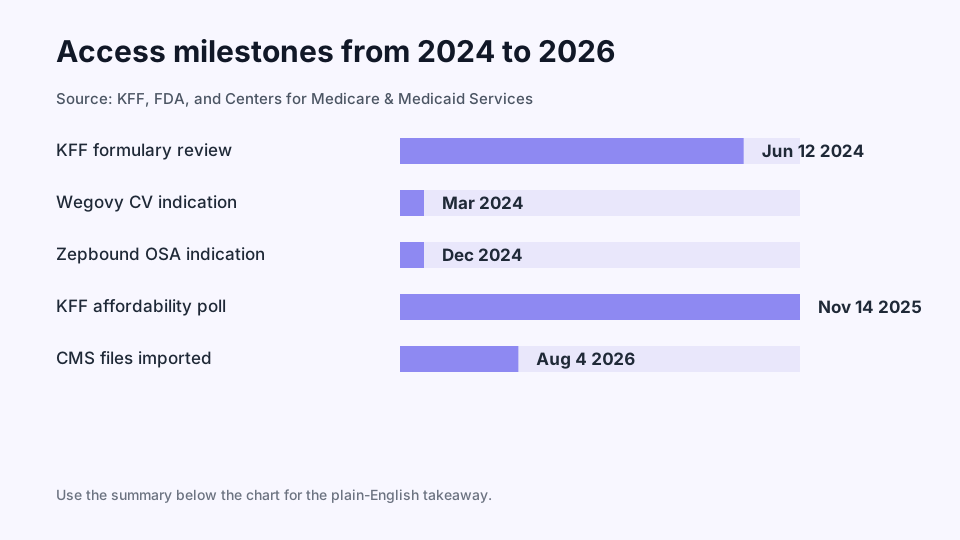
The timeline shows why older national coverage data and newer plan-document availability answer different questions.
Expected weight change and why staying on treatment matters
Coverage is an access issue, but it can shape whether someone can remain on a medicine long enough to maintain results. In STEP 1, adults without diabetes taking semaglutide 2.4 mg with lifestyle support lost an average of 14.9% of starting body weight at week 68, compared with 2.4% with placebo. From a starting weight of 240 pounds, 14.9% is about 36 pounds on average. In SURMOUNT-1, tirzepatide produced average losses of 15.0%, 19.5%, and 20.9% at 72 weeks with the 5 mg, 10 mg, and 15 mg doses, compared with 3.1% with placebo. The 20.9% result is roughly 50 pounds from 240 pounds. These were separate trials, not a head-to-head test that can tell one person which brand will work better. The STEP 1 extension gives a reason to plan ahead for an insurance change or denied refill. Participants who stopped semaglutide after 68 weeks regained an average of 11.6 percentage points during the following year, about two-thirds of the weight they had lost in that extension group. Regain will not be identical for everyone,; however, an interruption is not necessarily a small administrative inconvenience. Trial averages are not personal forecasts. Medical history, adverse effects, treatment duration, dose, support, and the ability to keep obtaining the medicine can all affect an individual's experience.
| Evidence point | Result | Meaning for a person comparing options |
|---|---|---|
| Semaglutide 2.4 mg in STEP 1 | 14.9% mean weight loss at week 68 | About 36 pounds from 240 pounds on average in a structured trial. |
| Tirzepatide 15 mg in SURMOUNT-1 | 20.9% mean weight loss at week 72 | About 50 pounds from 240 pounds on average; not a direct comparison trial. |
| Tirzepatide 5 mg in SURMOUNT-1 | 15.0% mean weight loss at week 72 | Average results varied by studied dose. |
| STEP 1 participants reaching at least 5% loss | 86.4% at week 68 | Most participants reached this threshold, but some did not. |
| Semaglutide withdrawal extension | 11.6 percentage-point regain after one year | A plan for sustained access can matter after initial weight loss. |
Source: Sources: STEP 1 and SURMOUNT-1 publications in the New England Journal of Medicine, plus the PubMed-indexed STEP 1 extension. Results are trial-group averages and not medical advice.
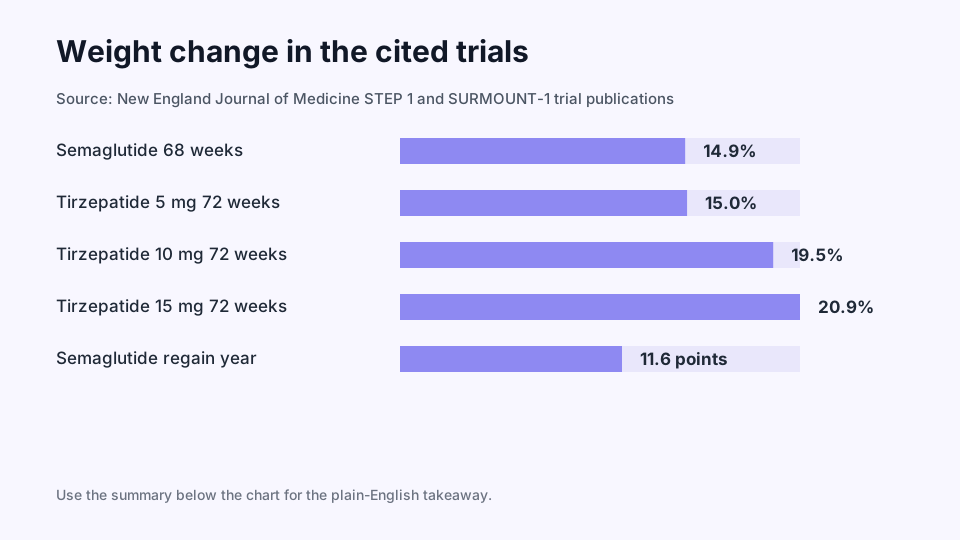
Different trials produced these averages, so the comparison provides context rather than proof that one medicine will produce a particular result for an individual.
A practical plan check before enrollment or a refill
Start with the plan and diagnosis rather than a broad coverage claim. Find the current formulary through the insurer, Marketplace account, or plan documents. CMS says its 2026 Exchange Public Use Files were last imported on August 4, 2026 and include machine-readable formulary URL locations for many federal-platform issuers. look up the brand and generic name, such as Wegovy and semaglutide or Zepbound and tirzepatide. Record the drug tier, prior authorization, quantity limit, step therapy, and any specialty-pharmacy instruction. Then ask for the current prior-authorization policy, including its effective date, because a simple PA marker does not disclose the criteria. Get an estimate from an in-network pharmacy before making a coverage decision. Ask what you would pay before and after the deductible, whether the prescription must use a specialty pharmacy, and whether a cash transaction would affect deductible progress. Save formulary screenshots, approvals, denial letters, refill history, and relevant clinician notes, especially before changing plans. During open enrollment, check the coming year's formulary before the first rejected refill. If a drug is excluded, ask the insurer about its exception and appeal process. HealthCare.gov notes that a clinician may need to explain why covered alternatives would not be as effective or could cause harmful side effects.
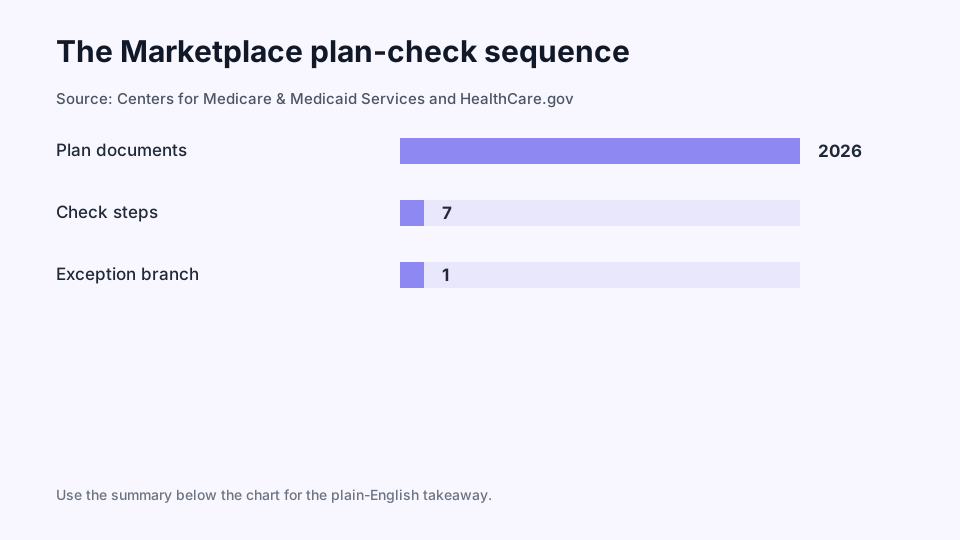
The flow follows seven practical checks from plan selection through records retention, with an exception and appeal question when the drug is excluded.
Safety and compounded-product limits
Wegovy and Zepbound FDA labels include a boxed warning about thyroid C-cell tumors observed in rodents. They list contraindications for people with a personal or family history of medullary thyroid carcinoma or multiple endocrine neoplasia syndrome type 2. The labels also describe serious gastrointestinal reactions, pancreatitis, gallbladder disease, dehydration-related kidney injury, and medication interactions. A clinician or pharmacist can help put those label facts beside a person's history and other medicines. They are also appropriate contacts if access may end, because stopping or changing treatment should not be treated as an insurance task alone. Compounded GLP-1 products are not interchangeable with FDA-approved Wegovy or Zepbound. FDA does not review compounded medicines for safety, effectiveness, or quality before marketing, and has raised concerns about dosing errors, fraudulent labels, storage problems, and unapproved ingredients. FDA says compounded drugs should be used only when a patient's medical needs cannot be met by an approved drug.
Methodology
- Sources were checked on 2026-08-25, prioritizing regulator pages, prescribing information, ClinicalTrials.gov records, peer-reviewed journals, PubMed or NCBI records, official company pages, and government payer guidance.
- Statistics were selected for practical patient relevance: approval status, eligibility, expected results, safety, cost, coverage, access, and tracking questions.
- Weak sources, speculative launch or pricing claims, affiliate pages, peptide sellers, Reddit, YouTube, and generic blogs were excluded or treated as unverified.
- This is source-reviewed educational content, not medical advice, diagnosis, treatment instruction, or a plan-specific coverage decision. A clinician, pharmacist, insurer, or public program contact is needed for individual decisions.
- Source priority was FDA labels and safety notices, CMS and HealthCare.gov materials, official manufacturer price pages, peer-reviewed trials, then KFF policy analysis and polling.
- Sources and plan-document availability were last checked August 25, 2026.
Update history
- Published with 2024 federal Marketplace formulary benchmarks, 2025 affordability polling, FDA labels, current manufacturer offer pages, and CMS 2026 file availability.
- CMS reported the latest import date for 2026 Exchange Public Use Files, including formulary URL locations for many federal-platform issuers.
Data notes and download
The displayed figures can be used as a reference set for the cited coverage, affordability, price, and trial comparisons. Plan-specific coverage still requires the current insurer formulary and coverage criteria.