Introduction
Compare U.S. GLP-1 and bariatric surgery results, costs, coverage, safety, weight regain, and post-surgery medication evidence.
Eight numbers to know
- 177,297 - Metabolic and bariatric procedures reported in the U.S. for 2024 - Source: American Society for Metabolic and Bariatric Surgery
- 58.35% - Share of 2024 procedures that were sleeve gastrectomies - Source: American Society for Metabolic and Bariatric Surgery
- 32.82% - Share of 2024 procedures that were Roux-en-Y gastric bypasses - Source: American Society for Metabolic and Bariatric Surgery
- 14.9% - Average loss with semaglutide 2.4 mg at 68 weeks in STEP 1 - Source: New England Journal of Medicine
- 20.9% - Average loss with tirzepatide 15 mg at 72 weeks in SURMOUNT-1 - Source: New England Journal of Medicine
- 10.5 kg - Median loss after 12 months in one post-bariatric observational study - Source: PubMed
- About two-thirds - Share of prior semaglutide-associated loss regained during one year after stopping in STEP 1 extension - Source: PubMed
- $50 monthly - Medicare GLP-1 Bridge price for eligible beneficiaries - Source: Centers for Medicare & Medicaid Services
What the weight-loss averages mean
In STEP 1, people without diabetes taking semaglutide 2.4 mg lost an average of 14.9% of starting body weight at week 68, compared with 2.4% with placebo. For a person starting at 250 pounds, 14.9% is about 37 pounds. Results varied from person to person, and the trial result does not guarantee what will happen outside a closely monitored study. In SURMOUNT-1, tirzepatide 15 mg produced an average 20.9% loss at week 72, compared with 3.1% with placebo. At 250 pounds, that average is about 52 pounds. The timeframes are long enough to matter: these are not results expected after a few injections. Surgery often produces larger early average losses. In a PCORnet study of people with type 2 diabetes, average loss at one year was 22.8% after sleeve gastrectomy and 29.1% after Roux-en-Y gastric bypass. At 250 pounds, those averages work out to roughly 57 pounds after sleeve and 73 pounds after bypass, but the study population differs from the medicine trials. Surgery has a larger upfront commitment. It can involve preoperative testing, recovery, permanent anatomy changes, supplements, nutrition laboratory monitoring, and sometimes later procedures. A medicine usually avoids an operation, but it asks a different practical question: can you tolerate it, obtain it, and maintain access over time?
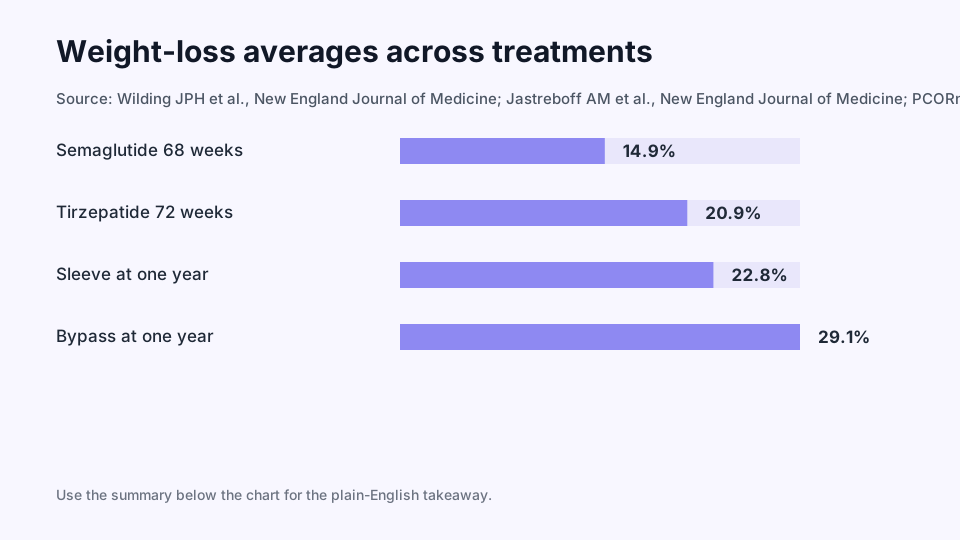
Medicine and surgery averages come from separate studies with different populations, so the chart sets expectations rather than proving one option is better for every person.
| Treatment and study | Average result | Timeframe | What it can mean at 250 pounds |
|---|---|---|---|
| Semaglutide 2.4 mg, STEP 1 | 14.9% loss | 68 weeks | About 37 pounds lost on average |
| Tirzepatide 15 mg, SURMOUNT-1 | 20.9% loss | 72 weeks | About 52 pounds lost on average |
| Sleeve gastrectomy, PCORnet diabetes cohort | 22.8% loss | One year | About 57 pounds lost on average |
| Roux-en-Y gastric bypass, PCORnet diabetes cohort | 29.1% loss | One year | About 73 pounds lost on average |
Source: Sources: Wilding JPH et al., STEP 1, New England Journal of Medicine; Jastreboff AM et al., SURMOUNT-1, New England Journal of Medicine; PCORnet Bariatric Study, JAMA Surgery. These are not head-to-head trial results.
Surgery remains a common option
ASMBS reported 177,297 metabolic and bariatric procedures in the United States for 2024. That was below the 217,387 reported for 2023 and below the newer 2022 series figure of 230,207. The society notes that procedure estimates use evolving methods, so changes across series should be interpreted carefully. Sleeve gastrectomy accounted for 103,452 procedures, or 58.35% of the 2024 total. Roux-en-Y gastric bypass accounted for 58,183 procedures, or 32.82%. Revision procedures made up 10,000 procedures, which matters because some people need further evaluation or treatment after an earlier operation. A falling procedure count does not show that surgery has ceased to matter or that GLP-1 medicines suit every person. Surgery may be considered where a person wants a procedural approach, has health conditions that can benefit, needs a greater average effect, or has not had enough benefit from non-surgical care. Eligibility and coverage are individual matters.
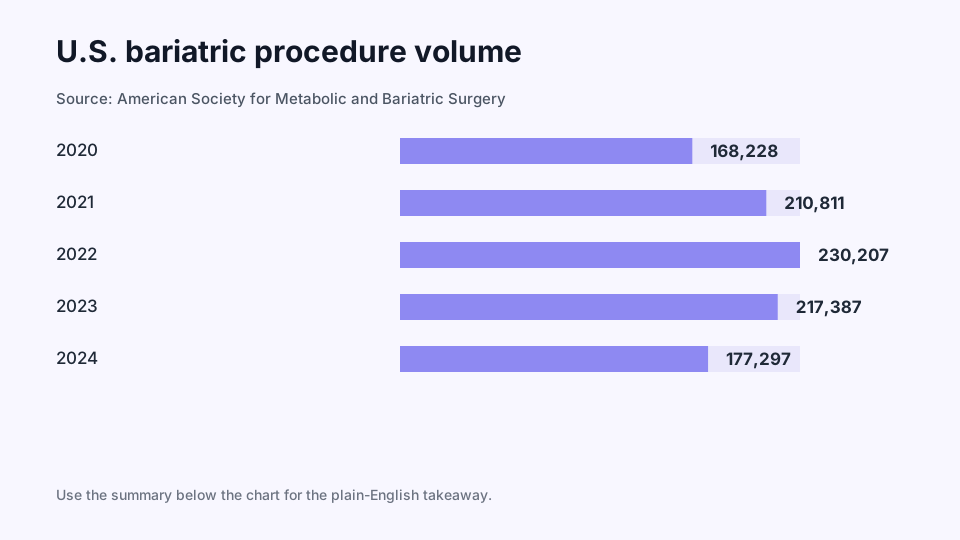
Reported procedure volume increased through 2022 and then fell, but evolving ASMBS estimation methods limit perfect year-to-year comparison.
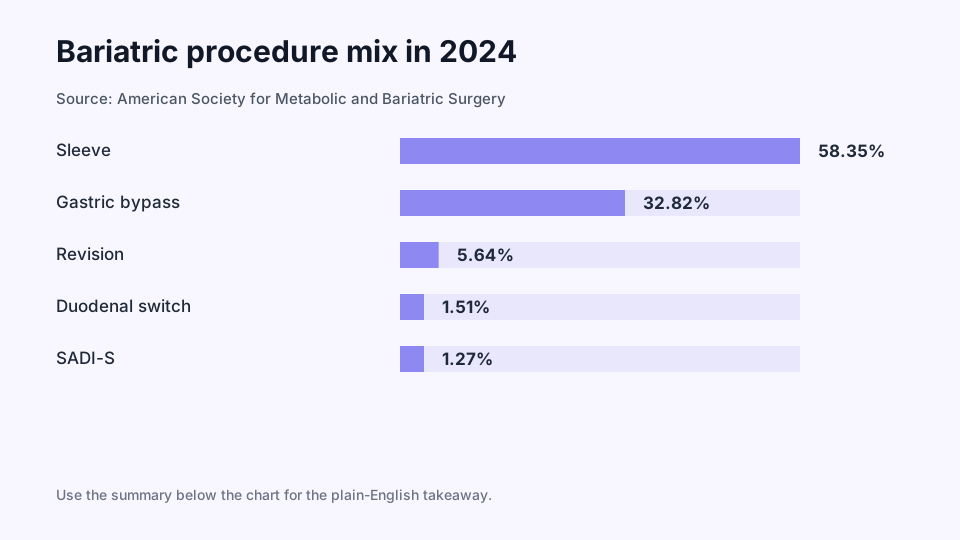
Sleeve gastrectomy was the most frequently reported operation in 2024, with gastric bypass the next most common option.
| Year or date | Figure or event | Why it matters |
|---|---|---|
| 2020 | 168,228 procedures | A recent low point in the ASMBS-reported series. |
| 2021 | 210,811 procedures | Reported volume increased from 2020. |
| 2022 | 230,207 procedures in newer ASMBS series | Reported volume reached a recent high in this series. |
| 2023 | 217,387 procedures | The reported decline began before the 2024 estimate. |
| 2024 | 177,297 procedures | The newest reported U.S. procedure estimate in the material reviewed. |
| July 1, 2026 | Medicare GLP-1 Bridge launched | Eligible beneficiaries may access certain medicines through a separate CMS pathway. |
Source: Sources: American Society for Metabolic and Bariatric Surgery procedure estimates; Centers for Medicare & Medicaid Services Medicare GLP-1 Bridge announcement. Procedure estimates should not be treated as a completed 2026 national count.
Using a GLP-1 medicine after surgery
Wegovy and Zepbound are approved for chronic weight management in qualifying adults. FDA labeling does not establish a separate approval for weight regain after bariatric surgery. That does not prevent a clinician from considering a medicine when the person's in the full dataset history and approved indication fit, but it means the post-surgery evidence needs careful interpretation. For many people after surgery, the first issue is not simply appetite. A clinician may want to review the operation type, lowest weight after surgery, timing of regain, reflux, vomiting, abdominal pain, eating tolerance, nutrition status, other medicines, sleep, alcohol use, and metabolic conditions. Those details can point toward medication, further testing, nutrition support, revision evaluation, or a combination. In one observational study of liraglutide or semaglutide after bariatric surgery, the median loss was 10.5 kilograms, about 23 pounds, at 12 months. Investigators estimated this represented 99.3% of regained weight. It is an encouraging result, but it cannot promise that result to everyone because people were not randomly assigned and differed in surgery type, time since surgery, medicine exposure, and starting regain. A 2025 systematic review and meta-analysis estimated total weight loss of 9.24% with liraglutide, 11.38% with semaglutide, and 15.50% with tirzepatide after at least three months. These pooled estimates do not establish that tirzepatide is better for every post-surgery patient. They combine observational studies with different populations and follow-up patterns. ClinicalTrials.gov lists NCT06803888, a Cleveland Clinic study comparing bariatric surgery, semaglutide, and tirzepatide. As of the record update posted May 18, 2026, it was active but not recruiting and had no results posted. No direct randomized comparison result is available from that record.
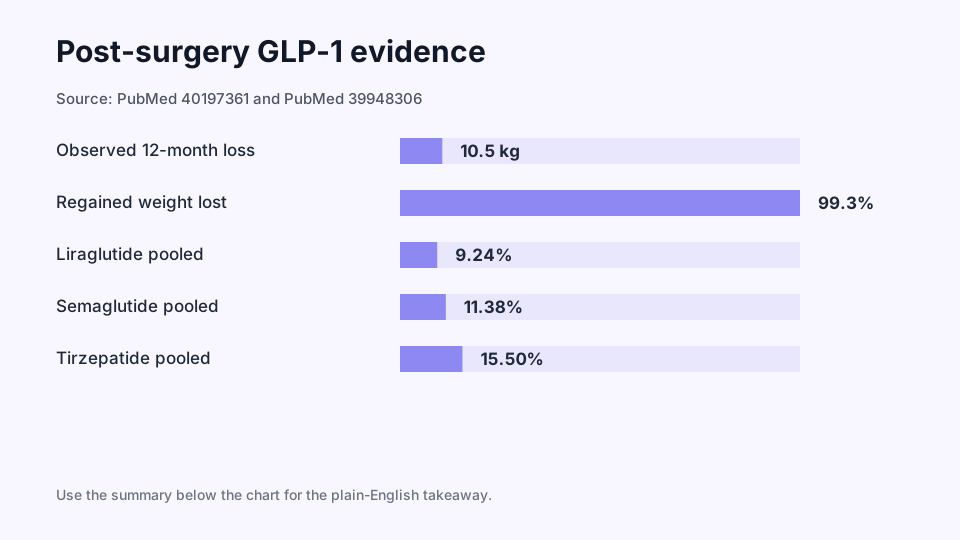
The study and pooled estimates suggest GLP-1 medicines can help after surgery, but most available evidence is observational.
| Evidence | Result | How to use the number |
|---|---|---|
| Observational study of liraglutide or semaglutide | Median 10.5 kg loss at 12 months | A useful real-world signal, not a guaranteed outcome. |
| Same observational study | Median 99.3% of regained weight lost | An estimate tied to the participants' amount of prior regain. |
| Systematic review, liraglutide | 9.24% total weight loss after at least three months | Pooled observational evidence. |
| Systematic review, semaglutide | 11.38% total weight loss after at least three months | Pooled observational evidence. |
| Systematic review, tirzepatide | 15.50% total weight loss after at least three months | Pooled observational evidence, not a direct ranking. |
Source: Sources: PubMed 40197361 and PubMed 39948306. Differences in surgery type, patient selection, treatment duration, and follow-up limit direct comparisons.
Maintenance and stopping treatment
Starting treatment is only part of the decision. In the STEP 1 extension, people who stopped semaglutide regained an average 11.6 percentage points of body weight over the following year. That was about two-thirds of the weight they had lost during treatment. In SURMOUNT-4, people who continued tirzepatide maintained and added to earlier weight loss, while people switched to placebo regained weight. These studies do not mean every person must make a permanent decision immediately. They do show why it is sensible to discuss insurance renewal, self-pay affordability, side effects, surgery timing, and a backup plan before treatment is interrupted. Surgery also needs maintenance. Weight regain can occur after sleeve gastrectomy and gastric bypass, and it does not by itself mean that someone failed. Long-term follow-up can include nutrition monitoring, supplements, activity and food routines, symptom review, and assessment for anatomical or medical contributors where appropriate.
Cost and coverage questions to ask first
Insurance access can determine the practical choice before clinical preference does. For a GLP-1 medicine, ask whether your plan covers the medicine for your diagnosis, whether prior authorization is required, whether a preferred product must be tried first, what documentation is needed, and when approval must be renewed. Published self-pay offers are not the same as insurance coverage or a guaranteed long-term price. Novo Nordisk lists a $349 monthly offer for certain Wegovy injection doses and $399 for Wegovy HD under stated terms. Lilly lists regular Zepbound self-pay pricing from $299 to $699 per 28-day supply depending on dose and product option, plus a $449 continuing self-pay journey offer for listed higher-dose products with conditions. CMS launched the Medicare GLP-1 Bridge on July 1, 2026. Eligible Medicare Part D beneficiaries may obtain certain GLP-1 medicines for weight loss or weight maintenance for $50 per month through December 31, 2027. It is a limited program rather than universal Medicare obesity-drug coverage, and people already eligible for coverage under their Part D benefit do not qualify through that separate bridge pathway. Bariatric surgery coverage differs by employer plan, marketplace plan, Medicaid program, and Medicare Advantage plan. ASMBS has estimated surgery costs around $17,000 to $26,000, but actual hospital, surgeon, travel, insurance, and complication costs can differ substantially. Ask the insurer for its written medical policy and ask a bariatric program to explain its required testing and documentation.
| Option or program | Published figure | Important limit |
|---|---|---|
| Wegovy self-pay offer | $349 per month | Applies to listed injection doses and eligible patients under manufacturer terms. |
| Wegovy HD self-pay offer | $399 per month | Offer terms and eligibility apply. |
| Zepbound regular self-pay price | $299 to $699 per 28-day supply | Depends on dose and vial or KwikPen option; taxes, fees, and terms may apply. |
| Zepbound continuing self-pay journey offer | $449 per month | Requires eligible refill timing and other conditions. |
| Medicare GLP-1 Bridge | $50 per month | For eligible Medicare Part D beneficiaries through December 31, 2027. |
| ASMBS surgery cost estimate | $17,000 to $26,000 | Older estimate; actual costs vary widely. |
Source: Sources: NovoCare Wegovy savings offer; Lilly Zepbound coverage, affordability, and savings information; Centers for Medicare & Medicaid Services Medicare GLP-1 Bridge; American Society for Metabolic and Bariatric Surgery. Confirm current terms and coverage before making a financial decision.
Safety and routine questions for a clinician or pharmacist
GLP-1 medicines can cause nausea, vomiting, diarrhea, constipation, and abdominal pain. The FDA labels also include warnings and precautions involving pancreatitis, gallbladder disease, kidney problems related to volume depletion, diabetic retinopathy complications in people with type 2 diabetes, and other concerns. People with a personal or family history of medullary thyroid carcinoma or multiple endocrine neoplasia syndrome type 2 should not use Wegovy or Zepbound. After bariatric surgery, symptoms such as poor intake, vomiting, fatigue, diarrhea, constipation, or abdominal pain deserve particular attention because they can overlap with medicine effects, nutrition deficiencies, and surgical complications. A person should not assume a symptom is routine medication adjustment without contacting the appropriate care team. The labels state that GLP-1 medicines delay stomach emptying. People taking Zepbound should tell healthcare professionals before planned surgery or procedures requiring general anesthesia or deep sedation because rare aspiration reports have occurred in people taking GLP-1 medicines. The label does not establish a universal stop-or-continue rule; the prescribing and procedural teams should coordinate that decision. Bring a concise record to the appointment: current and prior weights, waist trend if you track it, surgery type and date, lowest post-surgery weight, medicine list, supplements, recent laboratory results, insurance letters, and symptoms. Lina is a GLP-1 companion app for people using Wegovy, Mounjaro, Ozempic, Zepbound, Saxenda, and related medications. It helps users track doses, side effects, meals, weight, protein, hydration, and habits in one place. It is a wellness tracking companion, not a medical device or a substitute for medical advice.
Methodology
- Source priority: FDA prescribing information, CMS materials, ClinicalTrials.gov, peer-reviewed randomized trials, PubMed-indexed studies, ASMBS procedure estimates, and official manufacturer affordability materials.
- Date checked: August 11, 2026. Formularies, prior authorization rules, shortages, cash offers, and payer policies can change faster than trial evidence.
- Excluded or treated cautiously: affiliate pages, telehealth marketing, peptide sellers, social posts, generic approval trackers, anonymous forums, unverified compounded-drug claims, conference material without complete publication, and observational studies presented without limitations.
- Patient and medical limits: the figures cannot establish whether a person qualifies for medication or surgery, whether insurance will approve care, how much weight an individual will lose, or whether a symptom is a side effect, a nutrition problem, or a surgical complication.
Update history
- Reviewed FDA labels, CMS Bridge information, ASMBS 2024 procedure estimates, trial publications, post-bariatric evidence, trial registry status, and published manufacturer affordability information.
Data used in the figures
The figure values are drawn from the cited trial reports, ASMBS procedure estimates, and PubMed-indexed post-bariatric studies. Values are included in the figure specifications and tables for reuse with source attribution.