Introduction
How VA GLP-1 access works in 2026, including Wegovy and Zepbound eligibility, copays, use statistics, expected weight loss and safety questions.
Eight facts to know
- BMI 27+ - Current weight-management threshold when there is also a related condition
- $11 - 2026 Tier 3 VA copay for up to 30 days for Veterans who owe a copay
- $700 - Annual medication copay cap for VA Priority Groups 2 through 8
- >250,000 - Veterans receiving any GLP-1 by the end of 2024
- 0.4% to 11.7% - Published semaglutide prescribing range across 130 VA facilities
- +1.2 points - Adjusted GLP-1 prescribing probability for VA-direct versus mostly community primary care
- 10.0% - Average starting-weight loss at 12 months in one VA semaglutide clinic study
- 107,910 - Participants across 91 placebo-controlled trials in FDA's 2026 safety review
Who may qualify through VA
For chronic weight management, the April 2026 VA Criteria for Use for Wegovy and Zepbound generally require a body mass index, or BMI, of at least 27 kilograms per square meter and at least one weight-related condition. BMI combines height and weight. A BMI of 27 is therefore not a stand-alone approval rule. Qualifying conditions can include high blood pressure, type 2 diabetes, unhealthy cholesterol or triglyceride levels, obstructive sleep apnea, osteoarthritis, metabolic syndrome or metabolic dysfunction-associated steatotic liver disease. The condition needs to be documented and relevant to the person's care. VA also requires documented participation in a comprehensive lifestyle intervention covering nutrition, physical activity and behavioral change. MOVE! is a common VA option. Comparable community programs may count when they meet those elements, but the care team needs to determine how participation is documented. The criteria also contain safety exclusions and situations needing closer review. Examples include pregnancy or breastfeeding, a personal or family history of medullary thyroid cancer or multiple endocrine neoplasia syndrome type 2, severe delayed stomach emptying and some pancreatitis histories. These checks help determine whether a medicine is suitable; they are not a judgment about effort or need.
| Question | Verified information | What it means |
|---|---|---|
| Who may meet the threshold | BMI of 27 or higher plus a weight-related condition and lifestyle-program participation | Some Veterans can qualify below BMI 30, but a clinician still evaluates safety and appropriateness. |
| Which brands have weight-management criteria | Wegovy and Zepbound | Do not assume diabetes-brand rules are identical to weight-management-brand rules. |
| Lifestyle documentation | Nutrition, activity and behavior support are required | Ask how MOVE! or a comparable program is recorded in the VA chart. |
| Public approval statistics | No current national VA GLP-1 approval, denial or waitlist dashboard was located | An individual facility cannot be judged from a national percentage that has not been published. |
Source: Sources: VA Pharmacy Benefits Management Services, Semaglutide (Wegovy) Criteria for Use, April 2026; Tirzepatide (Zepbound) Criteria for Use, April 2026; Weight Management: A VA Clinician's Summary, 2025.
What a VA prescription may cost
VA's 2026 general Tier 3 brand-name outpatient prescription copay is $11 for up to 30 days, $22 for 31 to 60 days and $33 for 61 to 90 days. Those figures are benefit copays, not the medicine's cash price. A particular fill may follow a different schedule, so it is worth confirming the actual quantity and charge with the pharmacy. Some Veterans pay no medication copay. Priority Group 1 Veterans do not pay medication copays, and the annual medication copay cap is $700 for Priority Groups 2 through 8. Service connection, priority group, income and other benefit status can change the personal amount. VA does not publish its negotiated net price for semaglutide or tirzepatide. It also does not publish a current national GLP-1 spending total. That makes a precise VA-versus-commercial price comparison impossible from public records. Medicare GLP-1 Bridge began on July 1, 2026. Eligible Medicare Part D beneficiaries may obtain specified medicines for $50 per month through December 31, 2027. It is separate from VHA pharmacy benefits and does not change VA formulary criteria or VA copays.
| Measure | Figure | Practical meaning |
|---|---|---|
| Tier 3 copay for 1 to 30 days | $11 | A possible charge for a Veteran who owes a copay, not a guaranteed personal price. |
| Tier 3 copay for 31 to 60 days | $22 | The benefits schedule charges by fill length. |
| Tier 3 copay for 61 to 90 days | $33 | A longer standard fill may remain low-cost under the general schedule. |
| Medication copay cap for Priority Groups 2 to 8 | $700 yearly | Further eligible medication copays are not charged after the cap is reached. |
| Medicare GLP-1 Bridge | $50 monthly | A separate Medicare route for eligible Part D beneficiaries through December 31, 2027. |
Source: Sources: VA Health Care Benefits Overview, 2026; Centers for Medicare & Medicaid Services, Medicare GLP-1 Bridge launch, July 1, 2026.
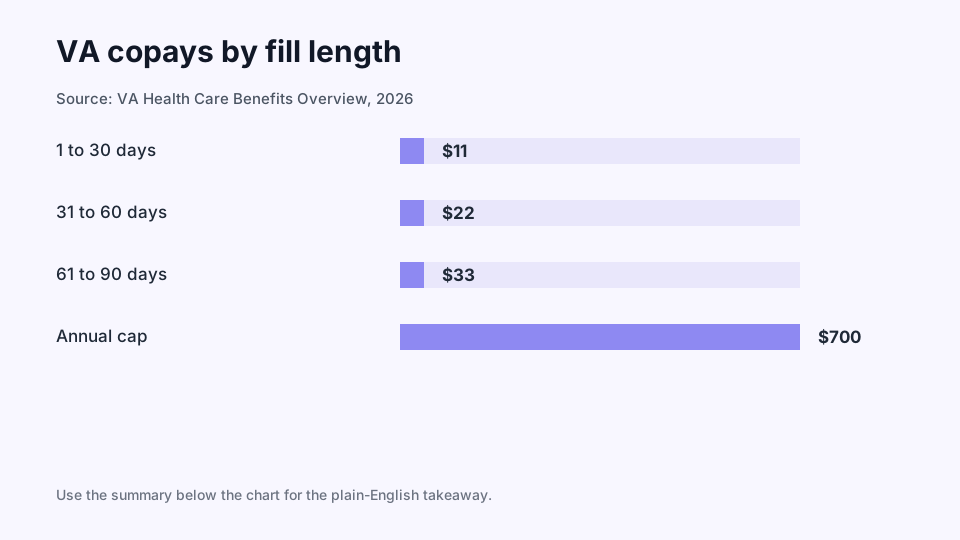
The first three bars show general Tier 3 fill copays; the annual cap is a separate yearly ceiling for Priority Groups 2 through 8.
Use is substantial and access varies
A National Bureau of Economic Research working paper estimated that more than 250,000 Veterans were receiving any GLP-1 medicine by the end of 2024. That is a broad utilization estimate. It includes treatment for type 2 diabetes and other approved uses, so it is not a count of Veterans receiving Wegovy or Zepbound for weight management. The Veterans Health Administration serves about 9.1 million Veterans each year through VA facilities and community care providers. The quarter-million figure therefore cannot tell a Veteran how likely approval will be, how long a local review will take or whether refills will be uninterrupted. Published VA research does show differences by care location. Across 130 VA facilities, semaglutide prescribing ranged from 0.4% to 11.7%. Another national analysis found a 1.2 percentage-point higher adjusted probability of GLP-1 prescribing among Veterans receiving VA-direct primary care than among those receiving mostly community primary care. Those studies do not establish why each difference occurred. They do show why it can help to ask a local team for the applicable Criteria for Use, whether a weight-management or pharmacy review is needed, and what records are missing.
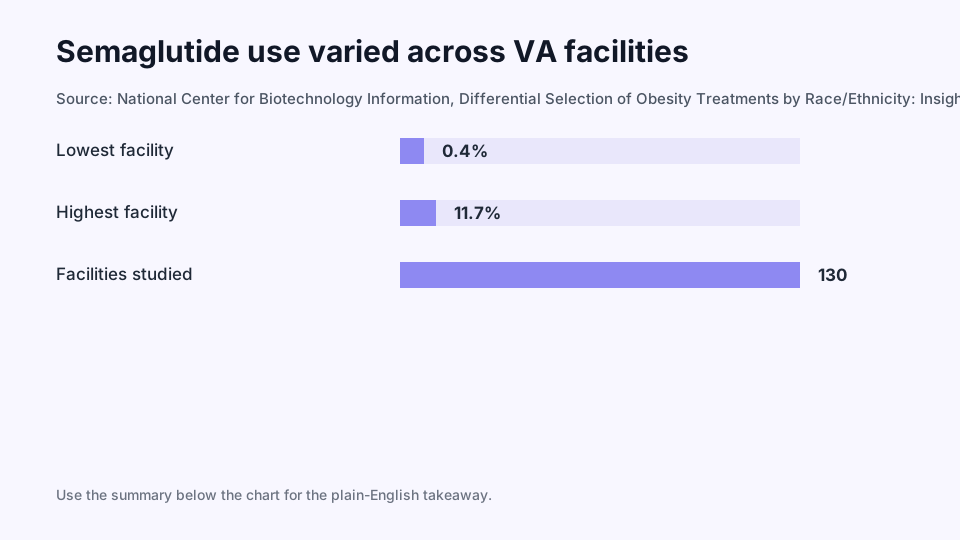
The range shows that published semaglutide prescribing varied widely across 130 VA facilities and does not provide a national average.
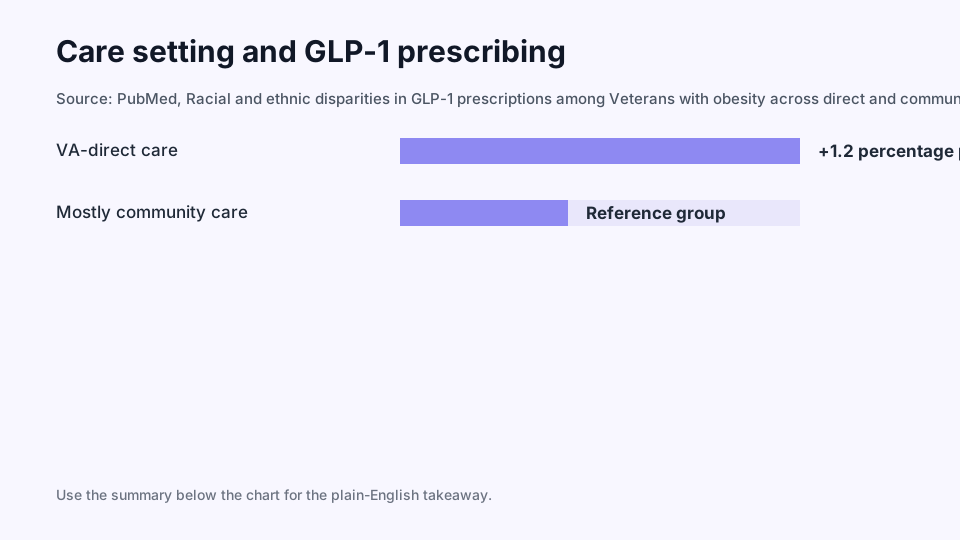
After adjustment in the published study, Veterans receiving VA-direct primary care had a 1.2-percentage-point higher GLP-1 prescribing probability than those receiving mostly community primary care.
What weight-loss results can mean
Trial averages can help set expectations, but they cannot predict an individual's result. They come from people with particular eligibility rules, follow-up schedules and lifestyle support. A real-world clinic result often looks different because people have other conditions, interruptions and ordinary day-to-day constraints. In STEP 1, a randomized trial of adults without diabetes, semaglutide 2.4 milligrams produced an average 14.9% weight reduction at 68 weeks, compared with 2.4% with placebo. At a starting weight of 250 pounds, 14.9% is about 37 pounds. FDA reported that tirzepatide 15 milligrams produced an average 18% weight reduction at 72 weeks in a larger trial of adults without diabetes. That is about 45 pounds from 250 pounds. In a trial involving people with type 2 diabetes, the FDA reported a lower average of 12%, showing why diabetes status and study population matter. A retrospective VA clinic study of 201 Veterans using semaglutide alongside nutrition counseling and exercise support found average weight loss of 10.0%, or 11.5 kilograms, after 12 months. For 250 pounds, that is about 25 pounds. The gap from major trials does not mean treatment failed. It reflects a shorter timeframe and care outside a tightly controlled trial.
| Study and medicine | Average change | Timeframe and interpretation |
|---|---|---|
| VA clinic study, semaglutide | 10.0%, or 11.5 kg | 12 months; a real-world retrospective study of 201 Veterans. |
| STEP 1 trial, semaglutide 2.4 mg | 14.9% | 68 weeks in adults without diabetes, with lifestyle intervention. |
| FDA-reviewed trial, tirzepatide 15 mg | 18% | 72 weeks in adults without diabetes. |
| FDA-reviewed tirzepatide trial with type 2 diabetes | 12% | Results can be lower in a different health population. |
Source: Sources: VA Office of Research and Development and PubMed, Clinical Effectiveness of Semaglutide for Weight Loss in a Veterans Affairs' Anti-Obesity Pharmacotherapy Clinic; PubMed, Once-Weekly Semaglutide in Adults with Overweight or Obesity; FDA, Zepbound chronic weight-management approval.
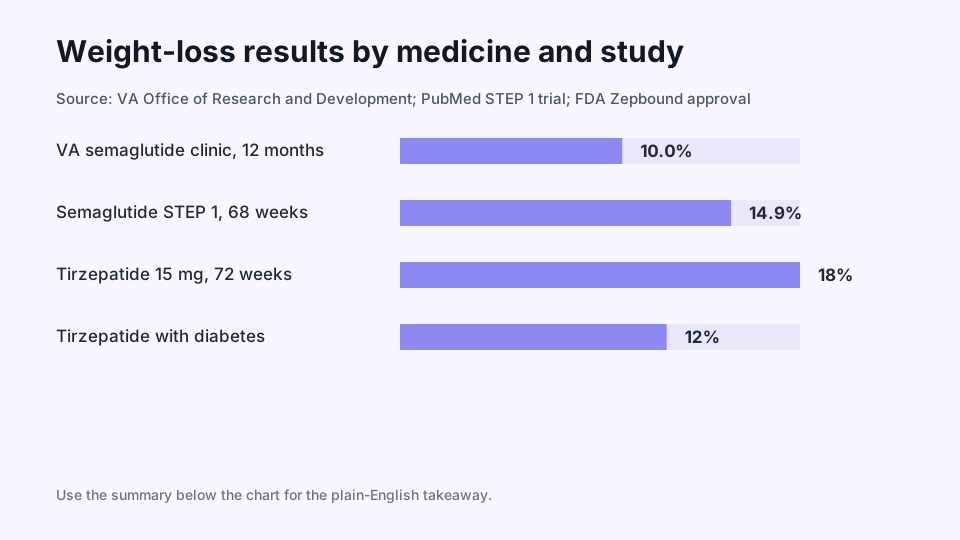
The chart compares reported average weight change across different medicines, populations and timeframes, so it should not be used as a personal prediction.
Staying on treatment and handling side effects
Weight management with these medicines is commonly a long-term care question. VA's clinician guide notes that medication benefit often plateaus around six to nine months and that stopping obesity medication can lead to weight regain. Before starting, it is reasonable to discuss refill continuity, follow-up and what the plan would be if the medicine helps, does not help or becomes hard to tolerate. Common effects listed in product information include nausea, diarrhea, vomiting, constipation, stomach pain, fatigue and injection-site reactions. People can also need review for pancreatitis, gallbladder disease, dehydration-related kidney injury, low blood sugar when combined with certain diabetes medicines and diabetic-retinopathy complications in people with type 2 diabetes. FDA's 2026 review found no increased risk of suicidal thoughts or behavior across 91 placebo-controlled trials involving 107,910 participants. That finding does not replace personal care. New or worsening depression, unusual mood changes or thoughts of self-harm need prompt clinical attention. Compounded GLP-1 products are not FDA-approved. FDA says they should generally be used only when a patient's medical need cannot be met by an approved drug. A person considering one because VA access is uncertain should discuss the product, source, storage and medical history with a clinician and pharmacist first.
Questions to bring to a VA appointment
Bring an accurate height and current weight, a list of weight-related conditions and a complete medication list. Mention sleep apnea treatment, blood-pressure medicines, diabetes medicines, cholesterol treatment, joint pain, liver disease, gallbladder problems and any pancreatitis history. That information helps the team identify both an access route and safety concerns. Ask whether the appointment is addressing diabetes treatment, chronic weight management or another FDA-approved use. Ask how lifestyle-program participation is documented, which Criteria for Use applies, whether another review is needed and what follow-up is expected. The pharmacy questions are practical: What would my copay be for this prescription and fill quantity? How do refills, mail delivery, travel and a missed dose get handled? What symptoms should prompt a call? Tracking a weekly weight trend, hydration, bowel changes, side effects and other measures requested by the care team can make those conversations more specific.
Methodology
- Source priority was VA Pharmacy Benefits Management criteria and VA benefits documents, then FDA and CMS materials, federal oversight records and peer-reviewed studies using VA data.
- Sources and policy dates were checked on August 29, 2026. The most recent VA Criteria for Use located for Wegovy and Zepbound were dated April 2026.
- Affiliate pages, pharmacy marketing, peptide sellers, social posts, unverified price trackers, anecdotal accounts and unsupported news claims were excluded or treated cautiously. No historical VA spending figure was used because a current primary VA spending source was not located.
- Figures cannot determine whether a Veteran is enrolled, copay-exempt, clinically eligible, locally approved, affected by supply limits or able to tolerate a medicine. The guide is source-reviewed and not clinically reviewed. It is educational information, not medical advice or an individual coverage decision.
Update history
- Published with VA April 2026 Criteria for Use, 2026 copay information and the July 2026 Medicare GLP-1 Bridge development.
Data download
Download the cited figures and study notes for personal appointment preparation. The download does not replace VA records, a prescription review or pharmacist guidance.