Introduction
Zepbound (tirzepatide) delivers 15–21% weight loss over 72 weeks in trials. Source-reviewed with FDA, CMS, label, and trial sources.
Top facts about Zepbound weight loss in 2026
- Approved for chronic weight management and moderate to severe OSA with obesity - FDA approval status - Source: FDA press release, Zepbound USPI
- 15–21% over 72 weeks (5, 10, 15 mg doses) - Average weight loss without diabetes - Source: Zepbound USPI clinical studies
- 13–15% over 72 weeks (10, 15 mg doses) - Average weight loss with type 2 diabetes - Source: Zepbound USPI clinical studies
- 70–90% on Zepbound vs 10–35% on placebo - Percentage reaching ≥10% loss - Source: Zepbound USPI
- Nausea, diarrhea, vomiting, constipation, stomach pain, reflux, fatigue, hair loss - Common side effects - Source: Zepbound USPI, FDA press release
- Boxed thyroid tumor warning, pancreatitis, gallbladder disease, kidney injury - Serious safety warnings - Source: Zepbound USPI
- Generally excluded for weight loss under federal rules - Medicare Part D coverage - Source: Payer coverage guides
- Minority of states cover GLP-1 obesity drugs; strict prior authorization common - State Medicaid coverage - Source: Medicaid GLP-1 coverage guides
| Date | Event | What it means for you |
|---|---|---|
| May 2022 | SURMOUNT-1 data published in NEJM | Core weight-loss evidence showing substantial and sustained loss with tirzepatide in people with obesity |
| November 8, 2023 | FDA approves Zepbound for chronic weight management | On-label use for adults with obesity or overweight plus comorbidities |
| December 2024 | FDA approves second indication for moderate to severe OSA with obesity | Opens coverage pathways for people with sleep apnea; trials showed ~50–60% AHI reduction and ~18–20% weight loss |
| March 6, 2025 | NEJM publishes 3-year tirzepatide obesity/prediabetes study | Sustained weight loss and marked reduction in progression to type 2 diabetes over three years |
| January–April 2026 | Zepbound label updated with new warnings and administration details | Refined safety language on severe GI reactions, KwikPen sharing, and removal of specific suicidal behavior section |
Source: FDA press releases, Zepbound USPI, NEJM publications
## What the numbers mean in real life All the big Zepbound trials used a weekly injection plus diet and activity changes. The dose is slowly increased, then maintained for most of the 72-week trial. From those trials, if you do not have type 2 diabetes and start at an average weight around 231 pounds, you can expect 15% loss on 5 mg, 19.5% on 10 mg, and 20.9% on 15 mg at 72 weeks. In practical terms, at 220 pounds that is roughly 33–46 pounds over about a year and a half. At 280 pounds, that is around 42–59 pounds. If you do have type 2 diabetes, the average starting weight in trials was around 222 pounds. At 72 weeks, 10 mg produced 12.8% loss and 15 mg produced 14.7% loss. So at 230 pounds, that is roughly 30–34 pounds off. The trials also looked at milestones. On higher doses, around 80–90% of people reached at least 10% weight loss, and about 50–70% reached at least 15%, compared with single-digit percentages on placebo. For you, this means that if you tolerate the medicine and stay on it, double-digit percentage weight loss is common, not rare, and many people go well beyond 10%. Graphs in the prescribing information show weight going down steadily. There is usually slower loss early while doses increase over the first 12–20 weeks. Weight continues to drop over the rest of the 72 weeks, then levels out. A simple way to think about it: months 1–3 are ramping doses and your body is adjusting, so weight may start to drop but with ups and downs. Months 4–12 are often the steepest part of the curve. Months 12–18 see weight still declining but more slowly, and the main job is maintaining the new lower weight.
| Trial population | Dose | Average weight loss at 72 weeks | Percentage reaching ≥10% loss | Percentage reaching ≥15% loss |
|---|---|---|---|---|
| No diabetes (Study 1) | Placebo | –3.1% | 18.8% | 8.8% |
| No diabetes (Study 1) | 5 mg | –15.0% | ~70% | ~50% |
| No diabetes (Study 1) | 10 mg | –19.5% | ~80% | ~65% |
| No diabetes (Study 1) | 15 mg | –20.9% | 83.5% | 70.6% |
| Type 2 diabetes (Study 2) | Placebo | –3.2% | ~15% | ~5% |
| Type 2 diabetes (Study 2) | 10 mg | –12.8% | ~65% | ~45% |
| Type 2 diabetes (Study 2) | 15 mg | –14.7% | ~70% | ~55% |
Source: Zepbound US prescribing information, clinical studies section
## How Zepbound compares to other GLP-1 medicines Zepbound uses tirzepatide, which activates both GIP (glucose-dependent insulinotropic polypeptide) and GLP-1 (glucagon-like peptide-1) receptors. In the SURMOUNT-1 trial and similar work, tirzepatide's average weight loss (around 20% at the highest dose in obesity without diabetes) is larger than typical results reported for single-pathway GLP-1 agonists like semaglutide at their standard obesity doses. If you have heard roughly 15% loss with semaglutide versus up to 20% with tirzepatide, the detailed trial tables support that general pattern. For an individual, though, your personal response may be higher or lower than the average, and tolerability can differ. One of the Zepbound trials specifically asked what happens after big weight loss if you come off the medicine. People first took open-label Zepbound for 36 weeks and lost about 20.9% of their starting weight on average. They were then randomized. Those who continued Zepbound lost another 5.5% from that Week 36 level. Those who switched to placebo regained weight, with about 14% weight gain relative to Week 36. For you, that means staying on treatment helps maintain or deepen weight loss. Stopping suddenly after large loss can bring back a meaningful share of the weight over the following year, even if some lifestyle changes remain. It does not mean you must stay on it forever; it does mean that if you plan to stop, it is worth a deliberate plan with your clinician.
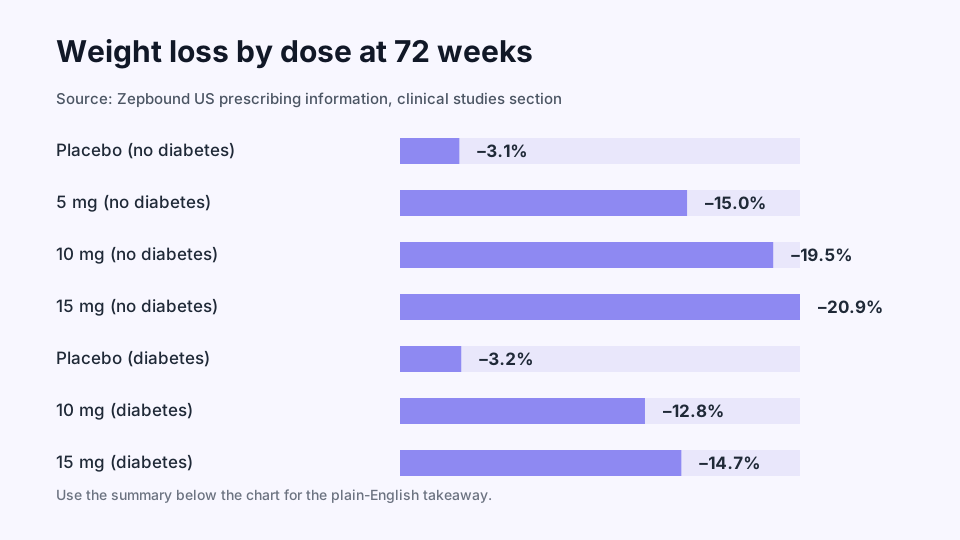
This chart shows average weight loss at 72 weeks by dose and diabetes status, helping readers estimate their expected result based on their starting dose and whether they have type 2 diabetes.
## Sleep apnea trials and the second FDA indication In two 52-week trials of adults with moderate to severe obstructive sleep apnea and obesity, Zepbound reduced apnea-hypopnea index (AHI), the number of breathing interruptions per hour of sleep, by about 50–60% relative to baseline and significantly more than placebo. At the same time, participants lost around 17–20% of body weight. For a person with severe OSA who struggles with positive airway pressure (PAP), this means Zepbound can both lower weight and reduce breathing interruptions, though PAP remains a main standard therapy and should only be changed under medical guidance. The FDA approved this second indication in December 2024. If you have OSA plus obesity, this indication may open different coverage pathways with some insurers, especially if your plan treats sleep apnea differently from general weight management. You should ask your clinician and your insurer whether the OSA indication changes prior authorization requirements or tier placement.
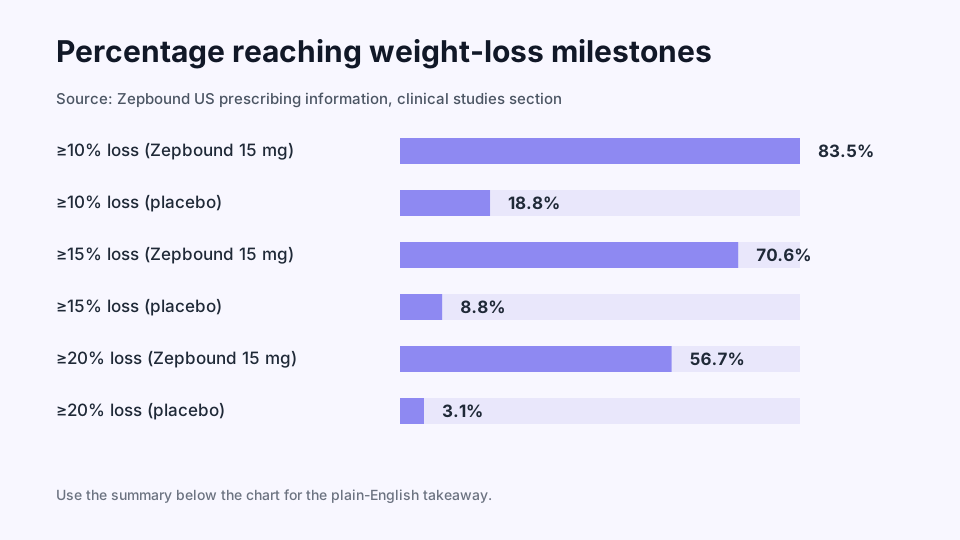
This chart shows the percentage of people reaching 10%, 15%, and 20% weight-loss thresholds on Zepbound 15 mg versus placebo, illustrating that double-digit percentage loss is common, not rare.
## Common and serious side effects The most common side effects, occurring in at least 5% of patients, include nausea, diarrhea, vomiting, constipation, stomach pain, indigestion, injection-site reactions, fatigue, reflux, burping, and hair loss. These gut symptoms are especially common in the first months and often improve as your body adjusts. You should plan for them and talk through how to manage them with your clinician or pharmacist. Zepbound carries a boxed warning about thyroid C-cell tumors in rats. It is contraindicated in people with a personal or family history of medullary thyroid carcinoma or Multiple Endocrine Neoplasia type 2. The label also warns about pancreatitis, gallbladder disease, kidney injury from dehydration, hypoglycemia when used with insulin or sulfonylureas, and possible eye complications in people with diabetes. Your clinician will screen for personal and family thyroid cancer history and watch for abdominal pain and dehydration. In early 2026, the Zepbound label was updated with refined safety language. The updates included new warnings about severe gastrointestinal adverse reactions, a warning never to share a Zepbound KwikPen, and removal of the specific suicidal behavior and ideation section. For you, this means safety language has been refined based on ongoing data, and clinicians are being told to emphasize GI risks and safe device use. It does not remove the need to watch mood or mental health; it simply changes how that warning is structured.
| Safety category | main points | What to watch for |
|---|---|---|
| Common side effects | Nausea, diarrhea, vomiting, constipation, stomach pain, reflux, fatigue, hair loss | Track onset and duration; report severe or persistent symptoms |
| Boxed warning | Thyroid C-cell tumors in rats; contraindicated with personal/family history of medullary thyroid carcinoma or MEN 2 | Screening before starting; report neck lump or hoarseness |
| Pancreatitis | Severe abdominal pain that may radiate to back | Stop medicine and seek care if severe pain occurs |
| Gallbladder disease | Cholelithiasis and cholecystitis reported | Report right upper abdominal pain, especially after meals |
| Kidney injury | Acute kidney injury and worsening chronic kidney disease, often from dehydration | Stay hydrated; report less urine, dizziness, or dry mouth |
| Hypoglycemia | Risk increases when combined with insulin or sulfonylureas | Monitor blood sugar if on diabetes medicines; report shakiness, sweating, confusion |
| Drug interactions | Slows stomach emptying; may affect absorption of oral medicines | Discuss all medicines, especially oral contraceptives and warfarin |
Source: Zepbound US prescribing information, warnings and precautions section
## Cost, coverage, and access in 2026 Exact dollar prices vary by pharmacy, discount, and plan. Public label and payer documents do not list a standard cash price, so this section focuses on coverage patterns you can use when comparing options. Most commercial insurers may cover Zepbound for obesity with prior authorization. You will need to meet BMI and comorbidity criteria, typically BMI at least 30 or at least 27 with conditions like hypertension, dyslipidemia, or type 2 diabetes. Expect paperwork and criteria documentation from your clinician. Medicare Part D and federal Medicaid generally exclude weight-loss drugs under federal rules. Some state Medicaid programs have chosen to cover GLP-1 obesity medicines like Zepbound under their own funds, usually with strict BMI and prior-authorization criteria. Coverage is highly state-specific and can change. Even if covered, criteria can be strict. You and your clinician or pharmacist may need to check a fresh preferred drug list for your state. In July and August 2026, new coverage guides showed that only a minority of states cover GLP-1 drugs for weight loss under Medicaid, and some states are adjusting or restricting coverage. To know actual monthly out-of-pocket cost, you will need your plan name and ID, the plan's preferred drug list, any tier or prior-authorization conditions for tirzepatide or Zepbound, and your pharmacy's negotiated price. If you are on Medicaid, look up for your state Medicaid preferred drug list tirzepatide or Zepbound and see if it is listed under chronic weight management or only under diabetes. If not verifiable online, ask your clinic's billing or pharmacy team to check the latest PDL PDF and prior-authorization criteria for you.
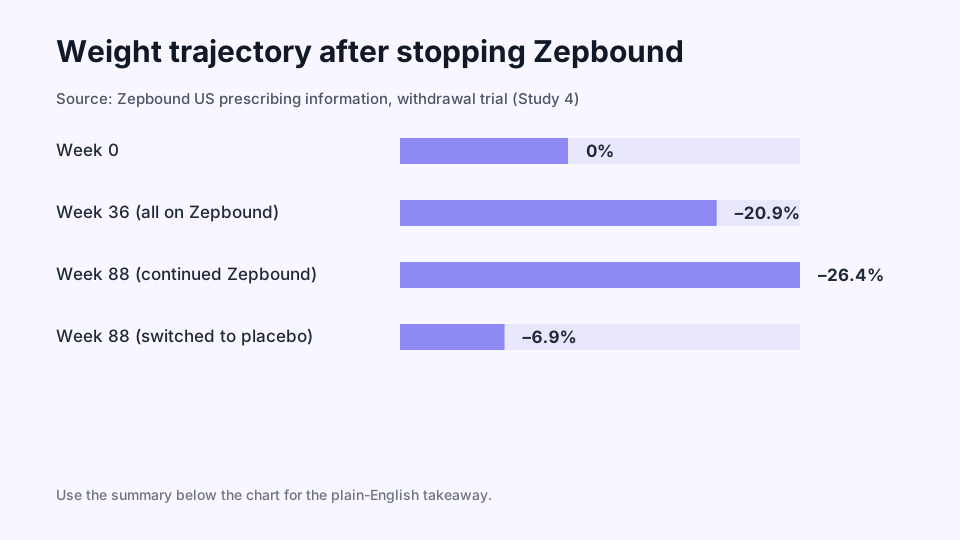
This chart shows weight change over time in the withdrawal trial, demonstrating that people who continued Zepbound lost more weight, while those who stopped regained about 14% from their week 36 weight.
## Practical tracking and patient preparation If you are considering starting, restarting, or staying on Zepbound, here are practical steps to prepare. First, clarify your goals and timeframe. Think in percentages, do not simply pounds. For example, you might aim to lose about 15% over the next 12–18 months. Ask your clinician how that compares to trial averages for your weight, sex, and diabetes status. Second, plan for the weekly routine. Zepbound is a once-weekly subcutaneous injection in the abdomen, thigh, or upper arm. You will need a consistent weekly injection day, secure storage (refrigerator, not frozen, with room-temperature windows as described in the label), and training on pen or vial use and safe needle disposal. Third, expect and track side effects. Common gut side effects, especially early, include nausea, vomiting, diarrhea, constipation, stomach pain, and reflux. Track onset and duration of symptoms, any signs of dehydration (less urine, dizziness, dry mouth), and new or severe abdominal pain, especially if it radiates to your back (possible pancreatitis or gallbladder problems). Share this with your clinician or pharmacist; they may adjust dose or timing of dose increases. Fourth, coordinate with other medicines. Because Zepbound can lower blood sugar, especially if combined with insulin or sulfonylureas, and slows stomach emptying, which can change how your body absorbs oral drugs like birth control or warfarin, discuss all current medicines and supplements, any oral contraceptives (you may need a non-oral or barrier method during dose changes), and any high-risk drugs with narrow dosing windows. Fifth, check coverage and cost early. Before starting, call or use your insurer's portal to ask if Zepbound is covered for chronic weight management, if it is covered for obesity with OSA, what tier it is on, and if prior authorization is required and what BMI or comorbidity criteria apply. For Medicaid, look up for your state Medicaid preferred drug list tirzepatide or Zepbound and see if it is listed under chronic weight management or only under diabetes. Sixth, plan follow-up and possible stopping. Because the withdrawal study showed regain after stopping, discuss how long you might stay on Zepbound if you tolerate it, whether you would consider dose reduction before stopping entirely, and what additional behavior or nutrition support will be in place if you ever come off the medicine.
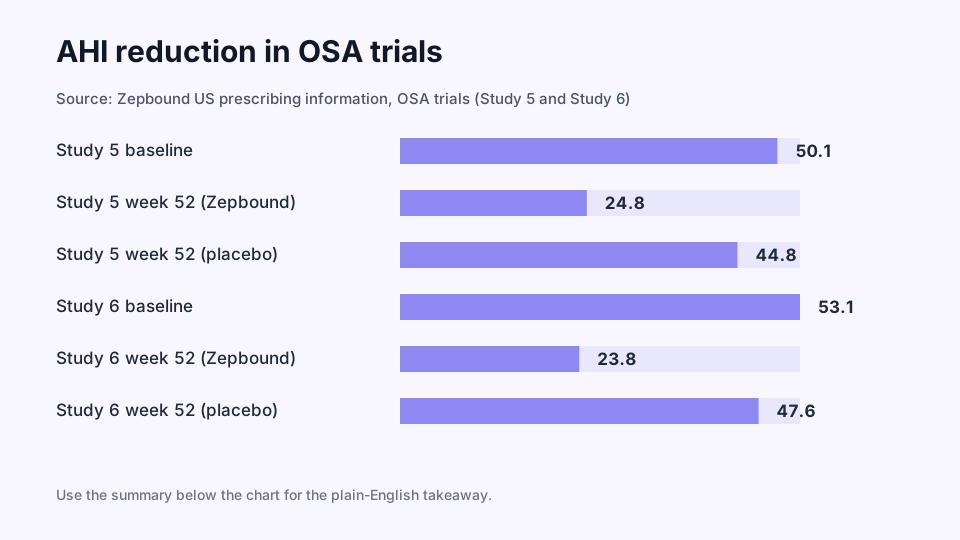
This chart shows apnea-hypopnea index (AHI) at baseline and week 52 in two OSA trials, illustrating that Zepbound reduced breathing interruptions by about 50–60% while participants lost 17–20% of body weight.
## Long-term data and diabetes prevention A 3-year NEJM study in people with obesity and prediabetes found substantial and sustained weight reduction with tirzepatide over the full three years and a markedly lower risk of progressing to type 2 diabetes compared with placebo. This does not guarantee you will avoid diabetes,; however, it suggests that for people at high risk, staying on tirzepatide can both maintain weight loss and lower that risk. The trial was published in March 2025 and adds to the evidence that tirzepatide's effects extend beyond weight loss to metabolic health. In the diabetes trial (Study 2), Zepbound improved waist circumference and several cardiometabolic markers compared to placebo and cut HbA1c (hemoglobin A1c, a measure of average blood sugar over about three months) by about 2.1 percentage points versus 0.5 with placebo. For someone with type 2 diabetes, this means Zepbound can help with both weight and blood sugar control, though it is approved for weight management, not as a diabetes medicine under the Zepbound brand.
How this guide was built
- Source priority: This guide relies first on primary and near-primary sources, including FDA press releases and regulatory documents, the official Zepbound US prescribing information, clinical trials published in peer-reviewed journals like The New England Journal of Medicine, and payer-oriented coverage guides that cite CMS rules and state Medicaid policies.
- Last checked date: The latest label and coverage sources were checked on August 21, 2026.
- Excluded or cautious sources: Wikis, commercial pharmacy blogs, peptide sellers, and generic web content farms were not used. Secondary summaries without clear links to primary trials or official payer documents were treated cautiously and not used for main claims.
- What this guide cannot determine for an individual patient: Your exact weight-loss amount or speed on Zepbound, your personal risk of side effects or rare events like pancreatitis or thyroid cancer, your precise out-of-pocket cost or insurance decision (those depend on your specific plan, state, and clinical documentation), or whether you should start, continue, stop, or switch medicines (that requires direct medical advice from a clinician who knows your history). This is source-reviewed only, not clinically signed off.
Update history
- Page created with FDA-approved data, 72-week trial results, OSA indication, 2026 label updates, and Medicare/Medicaid coverage patterns.
Download the data
The tables and figures on this guide are built from the Zepbound US prescribing information, FDA press releases, NEJM trials, and payer coverage guides. You can download the source data as a CSV file.